Understanding Hair Loss
Hair loss is a common concern affecting both men and women across all ages. Whether caused by genetics, hormonal changes, medical conditions, or lifestyle factors, understanding what leads to hair loss is the first step toward finding effective solutions. Early awareness and proper treatment can significantly improve hair health and confidence.
Symptoms and Causes
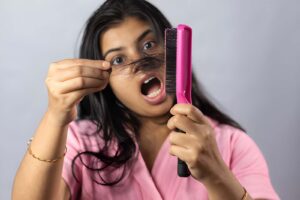
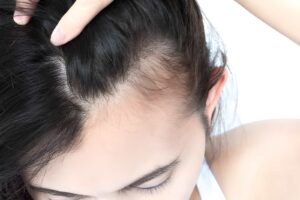
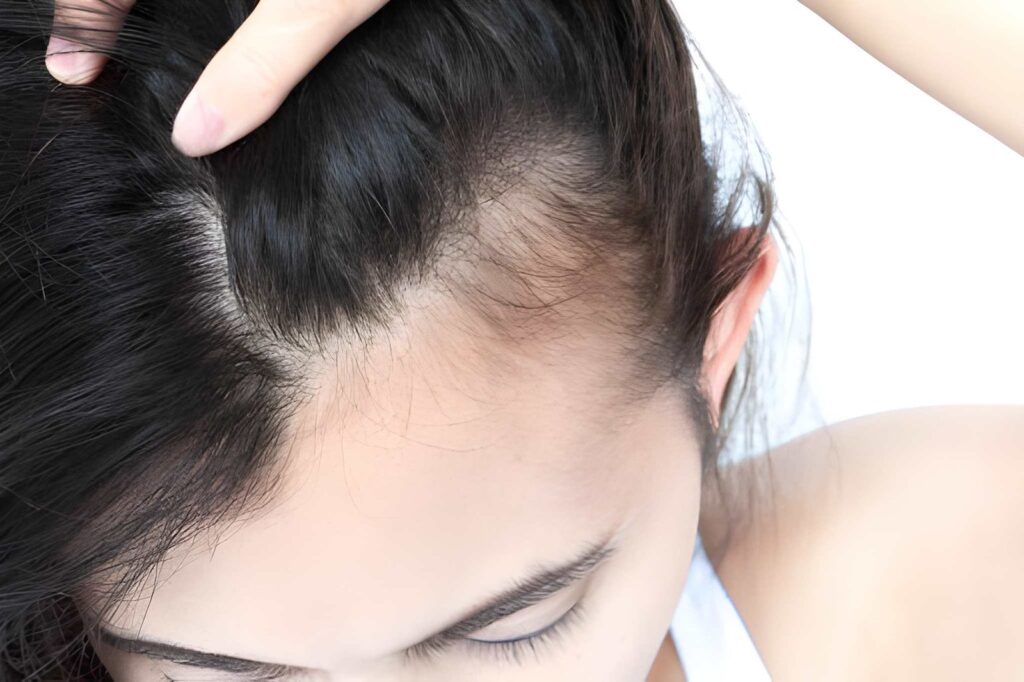
Hair loss can manifest in various forms, such as gradual thinning on the scalp, patchy bald spots, sudden shedding, or total body hair loss. Identifying the pattern helps determine the underlying cause. Common causes include genetic predisposition, hormonal imbalances such as thyroid dysfunction, stress, certain medications, and conditions like alopecia areata and scalp infections. Polyclinic in Dubai
Other contributing factors may include poor nutrition, overuse of hair styling products, or chronic illness. Understanding the root cause allows for personalized care and targeted treatment.
Diagnosis
Diagnosis typically begins with a medical evaluation and history review. A healthcare professional may examine the scalp, perform a pull test, or order tests such as blood work or scalp biopsy to identify hormonal or autoimmune issues. Proper diagnosis ensures that the treatment plan effectively addresses the specific cause of hair loss.
Treatment Options
Treatment for hair loss depends on its cause and severity. A tailored approach combining medical, procedural, and at-home remedies can help maximize results.
Medication
Medications can slow or even reverse hair loss in some cases. Topical treatments help stimulate hair follicles, while oral medications may work internally to balance hormones or address genetic contributors. Consistency and medical guidance are essential for safety and efficiency.
Hair Transplant Surgery
For significant or lasting hair loss, hair transplant surgery may be an option. This procedure involves relocating healthy follicles from denser areas of the scalp to thinning or bald spots. Techniques have evolved to deliver natural-looking results and minimal downtime.
Laser Therapy
Low-level laser therapy can help stimulate hair growth and improve scalp health. It works by increasing blood flow to the hair follicles, encouraging regrowth over time. It is often used as a complement to other treatments.
Lifestyle and Home Remedies
Healthy lifestyle changes can support hair restoration. Balanced nutrition rich in protein, iron, and vitamins, regular scalp massage, stress management techniques, and avoiding harsh chemical treatments all promote stronger hair. Maintaining a gentle hair care routine helps prevent further damage.
Living with Hair Loss
Living with hair loss can impact self-esteem and emotional well-being. Support groups, counseling, or new styling techniques can help individuals cope confidently. Embracing personal style with wigs, scarves, or creative haircuts can also empower those experiencing hair changes.
Cancer: Managing Symptoms and Hair Loss
Chemotherapy and radiation can cause temporary hair shedding. Preparing for this change, exploring wigs or head coverings, and understanding regrowth timelines provide emotional comfort. Hair typically begins to regrow within months after treatment ends.
Preparing for Your Appointment
Before seeing a doctor or specialist, note any changes in your hair, scalp conditions, and overall health. Bring a list of medications, supplements, or stress factors. This preparation helps the doctor assess the condition more accurately.
What You Can Do
Track how much hair you lose daily, photograph problem areas for reference, and identify possible triggers such as recent illness, diet changes, or hormonal shifts. Honest sharing during consultations aids accurate diagnosis.
What to Expect from Your Doctor
Your doctor may ask about your family history, lifestyle habits, and health background. You may undergo a scalp exam, blood tests, or other diagnostic procedures. The discussion usually ends with available treatment options, expected outcomes, and realistic timelines.
Clinical Trials and Research
Ongoing research continues to uncover innovative therapies for hair restoration. Emerging studies explore stem cell treatments, platelet-rich plasma (PRP), and regenerative medicine, offering new hope for patients dealing with chronic hair loss conditions.
Education and Prevention
Educating yourself about hair loss is key to prevention. Understanding early signs, maintaining a wholesome lifestyle, and seeking professional advice promptly can help minimize long-term effects. Prevention efforts focus on scalp care, balanced nutrition, and gentle styling practices. Yah Polyclinic
Care and Support
Comprehensive care involves more than just medical treatment. It includes mental health support, nutrition counseling, and patient education. Building a support network empowers individuals to manage hair loss positively and proactively.
FAQs
1. Can stress cause hair loss?
Yes, chronic or sudden stress can cause temporary hair loss called telogen effluvium. Managing stress through exercise, meditation, and rest can help prevent recurrence.
2. How long does it take to see results from hair loss treatment?
Most treatments require consistent use for at least three to six months before noticeable results. Patience and adherence to the prescribed plan are key.
3. Is hair transplant surgery safe?
When performed by a qualified surgeon, hair transplant surgery is considered safe. Minimal discomfort and downtime are typical, with results improving over months.
4. Can diet affect my hair health?
Yes, a diet lacking essential nutrients can lead to hair thinning. Include proteins, omega-3 fatty acids, and vitamins like biotin and vitamin D for better hair strength.
5. Will my hair grow back after chemotherapy?
In most cases, yes. Hair usually starts regrowing within three to six months after treatment. Texture or color changes may occur but often normalize with time.
Understanding the root causes, seeking timely medical advice, and adopting healthy habits can effectively manage hair loss. A holistic approach addressing physical and emotional well-being leads to stronger, healthier hair.