Understanding Hair Loss
Hair loss is one of the most common conditions affecting people of all ages. It can occur gradually over time or suddenly, resulting from genetics, hormonal changes, medical conditions, or lifestyle factors. Knowing what causes hair loss and how to manage it can help you maintain healthier hair and confidence.
What Is Hair Loss?
Hair loss, also known as alopecia, happens when hair stops growing or falls out faster than it regrows. It can affect the scalp or any part of the body that has hair. While it’s normal to lose about 50 to 100 hairs daily, excessive shedding or noticeable thinning may signal an underlying issue.
Types of Hair Loss
There are several types of hair loss, each with distinct characteristics:
- Androgenetic Alopecia: Often genetic, this type is commonly known as male- or female-pattern baldness.
- Alopecia Areata: An autoimmune condition where the body attacks its own hair follicles.
- Telogen Effluvium: A temporary shedding caused by stress, illness, or hormonal changes.
- Traction Alopecia: Hair loss resulting from tight hairstyles or mechanical strain on the hair.
- Scarring Alopecia: Caused by inflammation or injury that permanently damages hair follicles.
How Common Is Hair Loss?
Hair loss affects millions of people worldwide. It’s estimated that more than half of men experience some degree of balding by age 50, while many women notice thinning hair after menopause. However, hair loss can begin at any age and may affect individuals differently based on genetics, health, and lifestyle.
Symptoms and Causes of Hair Loss
What Causes Hair Loss?
Hair loss can result from multiple factors, including:
- Genetics: The most common cause of permanent hair loss.
- Hormonal Changes: Pregnancy, thyroid disorders, and menopause can trigger temporary or long-term shedding.
- Medical Conditions: Autoimmune diseases, scalp infections, and certain chronic illnesses can lead to hair loss.
- Medications: Drugs used for cancer, arthritis, heart conditions, or depression may cause hair thinning as a side effect.
- Stress and Poor Nutrition: Emotional or physical stress and nutrient deficiencies can accelerate hair shedding.
What Are the Symptoms of Hair Loss?
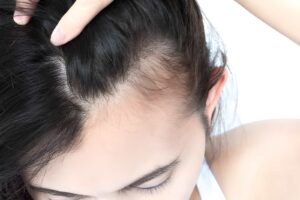
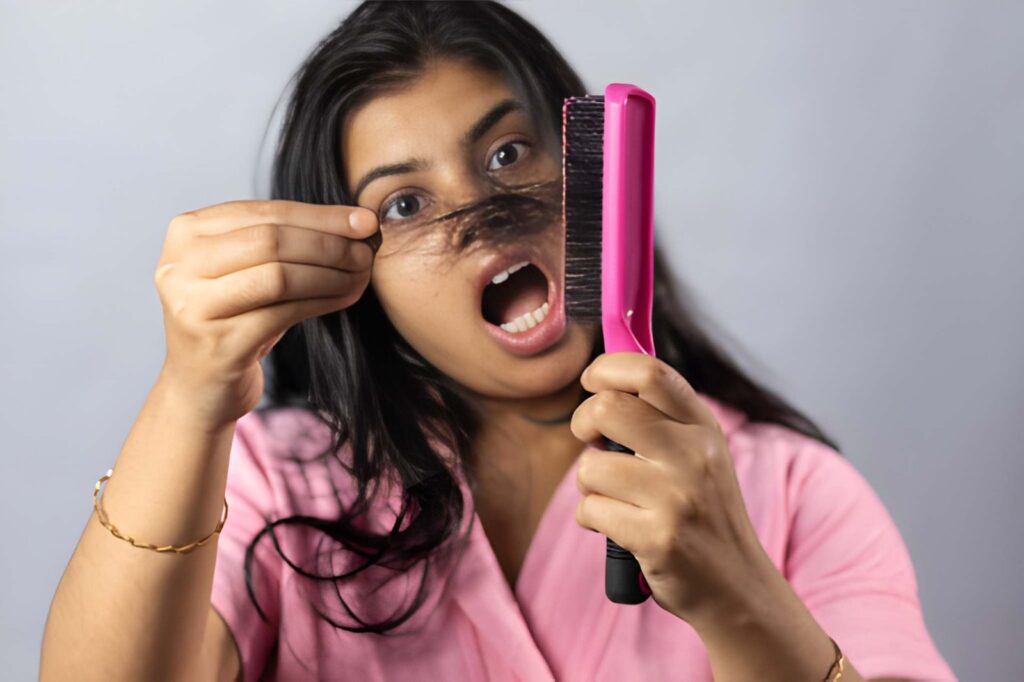
Hair loss may appear as gradual thinning on the scalp, patchy bald spots, or overall shedding across the body. Some people notice sudden hair loosening when combing or washing. Early signs include a widening part, increased shedding, or hair becoming finer over time. For those seeking effective solutions, Hair Growth in Dubai offers advanced treatments and professional care options to help restore hair health and confidence.
Possible Complications
Hair loss can impact more than appearance. It often leads to lower self-esteem, anxiety, or emotional distress. In some cases, it can be a sign of underlying health problems that need medical attention.
Diagnosis and Tests
How Is Hair Loss Diagnosed?
A healthcare provider or dermatologist typically diagnoses hair loss through a physical exam, medical history, and, if needed, further testing. Common diagnostic methods include scalp examination, pull tests, blood tests, or a scalp biopsy to identify the underlying cause.
Management and Treatment
How Is Hair Loss Treated?
Treatment depends on the cause and severity of hair loss. Options may include:
- Medications: Topical or oral medications can stimulate growth or slow hair loss.
- Hair Transplant Surgery: Surgeons move healthy follicles to thinning areas for a more permanent result.
- Laser Therapy: Low-level laser devices may help boost follicle activity and promote regrowth.
- Platelet-Rich Plasma (PRP) Therapy: This uses a person’s own blood platelets to rejuvenate follicles.
- Lifestyle Modifications: Proper nutrition, stress control, and gentle hair care can improve outcomes.
Lifestyle and Home Remedies
Incorporate a balanced diet rich in iron, protein, and vitamins to support hair health. Avoid harsh treatments, tight hairstyles, and heat styling. Regular scalp massage may improve blood flow and strengthen hair roots.
Outlook and Prognosis
What Is the Prognosis for Hair Loss?
The outlook depends on the underlying cause. Temporary hair loss often resolves with proper treatment and self-care, while genetic forms may require ongoing management. Early diagnosis significantly improves the chances of slowing or reversing the condition.
Prevention
How Can I Prevent Hair Loss?
Although not all forms of hair loss are preventable, you can minimize your risk by eating well, protecting hair from stress and chemical damage, maintaining scalp hygiene, and managing health conditions promptly.
Living With Hair Loss
When Should I Call the Doctor?
If you notice sudden shedding, patchy bald spots, or scalp irritation, contact a healthcare provider. Early evaluation helps rule out treatable causes and prevents further loss.
Questions to Ask Your Doctor
- What is causing my hair loss?
- Is my condition temporary or permanent?
- Which treatments are most effective for my type?
- How long before I see results?
- Are there lifestyle changes I should make to protect my hair?
Research and Education
Ongoing research continues to explore new hair restoration therapies and the genetic factors influencing hair health. Staying informed helps you make proactive choices about prevention and treatment.
Conclusion
Hair loss can be distressing, but effective solutions exist. Understanding the causes and acting early with professional guidance, healthy habits, and proper care can restore both your hair and confidence at YAH Polyclinic.
FAQs
1. Can stress cause hair loss?
Yes, high stress levels can trigger a condition called telogen effluvium, leading to temporary shedding. Reducing stress can help your hair recover.
2. Does diet impact hair growth?
A balanced diet rich in protein, iron, zinc, and vitamins A, C, D, and E supports healthy hair growth and reduces shedding.
3. Can hair regrow after falling out?
In many cases, hair can regrow if the follicles remain active. However, permanent pattern baldness may require medical intervention.
4. How long do hair loss treatments take to work?
Most treatments take several months before noticeable improvement. Consistency and patience are key for best results.
5. Is excessive washing a cause of hair loss?
No, washing hair frequently does not cause loss. In fact, keeping your scalp clean supports healthy follicles. Use mild shampoo and avoid excessive heat styling.
Call to Action: Concerned about hair loss? Take control of your hair health today by seeking professional advice and starting a targeted care routine that works for you.