What You Should and Shouldn’t Do Before and After Botox
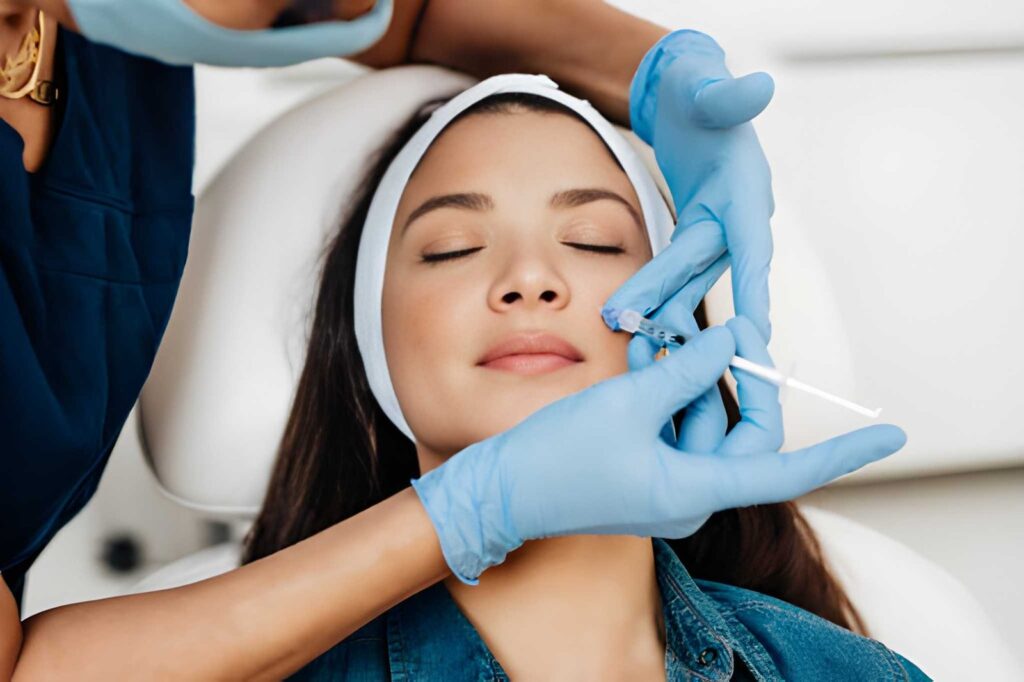
Botox is a trusted aesthetic treatment that temporarily relaxes facial muscles to soften fine lines and wrinkles. While the procedure itself is quick, your preparation and aftercare play a crucial role in achieving the best results. Here’s a complete guide on what to do—and avoid—before and after your appointment.
Understand the Purpose and Potential of Botox
Botox offers smoother skin and refreshed facial expressions when performed correctly and supported by proper pre- and post-care. Understanding how it works helps you make informed decisions about timing, expectations, and treatment safety, especially when considering Botox treatment in Dubai for high-quality care and expert cosmetic procedures.
What Not to Do Before Botox: Key Precautions
Pause Blood-Thinning Agents and Certain Supplements
Avoid medications or supplements that can increase bruising risk, such as aspirin, ibuprofen, fish oil, vitamin E, and ginkgo biloba, for at least a week before your session. Always consult your healthcare provider before discontinuing any prescribed medication.
Stay Clear of Skincare Treatments and Harsh Actives
Steer clear of chemical peels, microdermabrasion, exfoliating acids, and retinoids a few days before treatment. These can irritate the skin and make it more sensitive during injection.
Skip Alcohol and Limit Caffeine
Avoid alcohol 24 hours prior, as it can exacerbate bruising. Minimize caffeine intake, which may contribute to dehydration and swelling.
Avoid Hair Removal Treatments
Refrain from waxing, threading, or using hair removal creams on the treatment area immediately before Botox, as these methods can cause microtears and irritation.
Consider Medical Conditions and Medications
If you have neuromuscular disorders or active infections near the injection site, Botox may not be appropriate. Always disclose your medical history to your injector to ensure safety.
How to Prepare for Your Botox Appointment
Schedule With Intention
Plan your treatment at least two weeks before important events. This timing allows any minor bruising or swelling to subside and for full results to develop.
Communicate Clearly With Your Injector
Be transparent about your medical background, allergies, and prior cosmetic treatments. This ensures your injector tailors your treatment plan to suit your goals and safety.
Get Rest and Arrive Hydrated
Sleep well the night before and drink plenty of water. Rested, well-hydrated skin responds better to treatment and recovers faster.
Arrive With a Clean Face
On the day of your appointment, avoid wearing makeup, lotions, or sunscreen in the treatment area. Clean skin reduces the risk of irritation or infection.
What to Do After Botox: Effective Aftercare Tips
Manage Swelling and Bruising
Mild swelling or redness is normal. Use a cool compress gently to soothe the area. Avoid rubbing or massaging the injected spots for at least 24 hours to prevent product migration.
Stay Upright and Avoid Strenuous Activity
Keep your head elevated and avoid lying down for four hours after treatment. Skip intense workouts, hot showers, and saunas for 24 hours to reduce blood flow and swelling in the treated area.
Avoid Alcohol and Excessive Sun Exposure
Stay away from alcohol for another 24 hours after your injections and protect your skin from direct sunlight. UV exposure can cause inflammation and slow healing.
Be Patient for Results
Botox typically begins taking effect within three to five days, with full results visible in about two weeks. Be patient and allow the product time to work naturally.
Track Your Results and Schedule Touch-Ups When Needed
If a minor asymmetry or area seems undertreated after two weeks, discuss a touch-up with your injector. Regular treatments spaced every three to four months help maintain smooth, lasting results.
Common Timing and Planning Questions
When Should You Schedule Botox Before Events?
Book your appointment at least 14 days before an important event. This buffer allows any temporary side effects to resolve fully.
What Happens if You Miss Preparation Steps?
Skipping preparation may lead to increased bruising or less predictable results. Always follow your provider’s guidance to ensure consistent outcomes.
What Are the Most Serious Consequences of Ignoring Pre-Treatment Instructions?
While rare, skipping precautions can lead to bruising, swelling, or uneven results. More serious reactions can occur in those with undisclosed health conditions or medication use, so full disclosure is essential.
Final Thoughts
Proper preparation and aftercare transform your Botox treatment experience from simple to exceptional. By following these guidelines, you enhance safety, comfort, and the longevity of your results. Your journey toward smoother, renewed skin starts with informed, mindful decisions before and after treatment at Yah Polyclinic, ensuring optimal aesthetic results and skin rejuvenation.
Call to Action: Ready to refresh your appearance? Schedule your consultation today and experience precise, personalized aesthetic care.
FAQs
Can I take Tylenol before Botox?
Yes, acetaminophen (Tylenol) is generally safe to take before Botox for discomfort. Avoid blood-thinning medications unless approved by your healthcare professional.
How long should I stop blood thinners before Botox?
If your provider agrees, stop non-prescription blood thinners about 5–7 days before treatment to reduce bleeding risk. Always follow your doctor’s instructions if you are prescribed these medications.
Can I wear makeup to my Botox appointment?
It’s best to arrive with a clean face free of makeup. Makeup can introduce bacteria and increase the chance of minor irritation during injections.
What happens if I drink alcohol the night before Botox?
Alcohol thins the blood, making bruising more likely. Avoid it 24 hours before and after your session for optimal healing.
Is Botox safe during pregnancy or breastfeeding?
Botox has not been tested for safety during pregnancy or breastfeeding, so it’s best to postpone your treatment until after this period.