
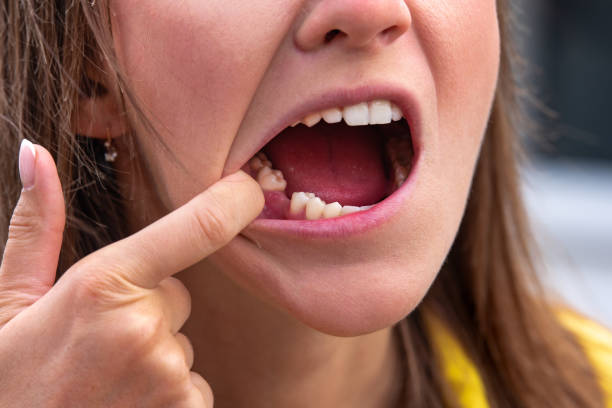
Can You Remove a Tooth Root at Home?
No — there is no safe way to remove a tooth root at home.
Tooth roots are embedded deep in the jawbone and surrounded by nerves and blood vessels. Attempting to remove one yourself can lead to serious complications, including infection, heavy bleeding, nerve damage, and permanent oral health problems.
If your tooth has broken and the root remains, the safest option is professional dental treatment.
Why Removing a Tooth Root Yourself Is Dangerous
Many people search terms like “how to remove a broken tooth root at home” or “how to kill a tooth root”, especially when in pain. However, these are dangerous myths.
Attempting DIY removal can cause:
- Severe infection or abscess formation
- Uncontrolled bleeding
- Nerve damage (especially in lower jaw teeth)
- Jawbone or gum tissue injury
- Incomplete removal (root fragments left behind)
These complications often make the situation worse and more expensive to treat later.
What Is a Tooth Root?
A tooth root is the part of the tooth located below the gum line, anchoring it into the jawbone.
When a tooth breaks, the visible part may be gone, but the root often remains embedded. This cannot be safely removed without specialised dental instruments and imaging.
Signs a Tooth Root Needs Urgent Removal
You should see a dentist as soon as possible if you experience:
- Swelling in the gums, face, or jaw
- Persistent or severe pain
- Pus or bad taste (sign of infection)
- Fever or general illness
- Difficulty opening your mouth
These may indicate a spreading dental infection, which requires urgent care.
What a Dentist Does Instead
A dentist performs a safe surgical extraction under controlled conditions:
- Examination and X-rays to locate the root
- Local anaesthesia to ensure a pain-free procedure
- Accessing the root (small incision if needed)
- Careful removal using specialised tools
- Cleaning and disinfecting the area
- Stitches if required to support healing
This process is designed to remove the root completely while protecting surrounding tissue.
What to Do If You’re in Pain (Safe Temporary Steps)
While waiting for your appointment:
- Rinse gently with warm salt water
- Apply a cold compress to reduce swelling
- Take over-the-counter pain relief if needed
- Avoid chewing on the affected side
These steps help manage symptoms but do not treat the root problem.
Cost of Tooth Root Removal
The cost of professional tooth root removal typically depends on complexity, but in Dubai it generally ranges from:
- AED 300 to AED 800
Early treatment is usually simpler and more affordable than delayed care.
Can the Tooth Be Saved Instead?
In some cases, a dentist may recommend root canal treatment instead of extraction if the tooth structure can be preserved.
This is why early diagnosis is important — removing the root is not always the only option.
Final Advice
Trying to remove a tooth root at home may seem like a quick solution, but it carries serious health risks.
The safest and most effective approach is always to consult a qualified dentist who can diagnose the issue and provide the correct treatment.
FAQs
How to remove a broken tooth root at home?
There is no safe method. A dentist must remove it using proper tools and anaesthesia.
Can you pull a tooth root yourself?
No. Doing so can cause infection, bleeding, and permanent damage.
What happens if a tooth root is left in the gum?
It can lead to pain, swelling, infection, or abscess if not properly treated.
Can a tooth root be left in?
Only if a dentist confirms it is safe. This decision should never be made at home.
Author
Reviewed by: Dental Team at YAH Polyclinic
Clinically reviewed for patient safety and accuracy
Last Updated
Last updated: June 2026