Getting rid of hair fall in Dubai starts with identifying the cause, which is often a combination of hard water, climate, and lifestyle factors specific to the region. Once the cause is clear, treatment can range from topical solutions and dietary changes to clinical treatments like PRP or mesotherapy. A proper assessment by a doctor or dermatologist is the most reliable starting point.
This guide explains why hair fall is so common among Dubai residents, what genuinely helps, and when to seek professional treatment. The most important takeaway: Dubai’s environment adds extra strain on hair, so a generic hair care routine often is not enough on its own.
Why Is Hair Fall So Common in Dubai?
Hair fall is common in Dubai due to a combination of hard water, intense heat, low humidity indoors from air conditioning, and high sun exposure. These environmental factors do not usually cause hair loss on their own, but they can worsen existing shedding or scalp issues. Combined with general causes like stress, genetics, and diet, they create conditions where hair fall becomes more noticeable.
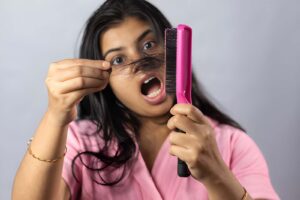
The American Academy of Dermatology states that losing 50 to 100 hairs a day is a normal part of the hair growth cycle. In Dubai, residents often report this shedding feels more visible due to drier scalp conditions and water quality. Recognising which factors are environmental versus medical is the first step to effective treatment.
Does Dubai’s Hard Water Affect Hair Fall?
Yes, hard water can contribute to hair fall by leaving mineral deposits on the scalp and hair shaft over time. Dubai’s tap water typically has a higher mineral content, including calcium and magnesium, compared with naturally soft water sources. This residue can make hair feel drier, more brittle, and prone to breakage.
Breakage is often mistaken for hair fall from the root, when it is actually hair snapping mid-strand due to weakened structure. Using a shower filter or clarifying shampoo can reduce mineral build-up. Hard water does not cause permanent hair loss, but it can significantly worsen hair breakage and dryness.
How Does Dubai’s Climate Contribute to Hair Fall?
Dubai’s heat and air conditioning combine to dry out both the scalp and hair shaft, increasing the likelihood of breakage and shedding. Constant exposure to air conditioning indoors strips moisture from the air, while outdoor heat and sun exposure can damage the scalp’s natural barrier. This dual exposure is a pattern more common in Dubai than in temperate climates.
Sun exposure can also degrade hair protein structure over time, making strands weaker and more prone to falling out during normal brushing or washing. Wearing a hat outdoors and using leave-in conditioner can help offset this effect.
What Are the Main Medical Causes of Hair Fall?
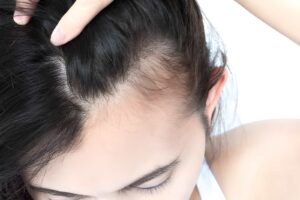
Beyond environmental factors, common medical causes of hair fall include genetics, hormonal changes, nutritional deficiencies, and stress. Androgenetic alopecia, the genetic form of hair thinning, affects both men and women and tends to follow a predictable pattern over time. Other causes, such as thyroid imbalances or iron deficiency, require blood tests to confirm.
The International Society of Hair Restoration Surgery identifies androgenetic alopecia as the most common cause of progressive hair loss worldwide. Vitamin D deficiency is also frequently noted in residents of sun-intense regions who spend most of the day indoors in air conditioning, which can affect hair growth cycles. A proper diagnosis distinguishes between temporary shedding and a deeper, treatable condition.
Can Stress Cause Hair Fall in Dubai?
Yes, stress is a well-documented trigger for a type of hair fall called telogen effluvium, where hair enters the shedding phase earlier than normal. This type of hair fall often appears two to three months after a stressful event or period. It typically resolves once the underlying stress is managed, though this can take several months.
High-pressure work environments and lifestyle demands common in Dubai can contribute to this pattern. Identifying stress-related shedding versus a more persistent cause is an important part of an accurate diagnosis.
What Treatments Actually Help With Hair Fall?
Effective treatment depends on the underlying cause, ranging from lifestyle adjustments to clinical procedures like PRP, mesotherapy, or topical medication. There is no single solution that works for every type of hair fall, which is why a proper assessment matters before starting treatment. Combining the right approach with consistency typically produces the best results.
- Topical treatments: Minoxidil-based products can help slow shedding and support regrowth in androgenetic hair loss
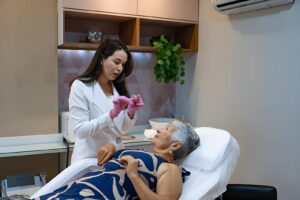
- PRP (Platelet-Rich Plasma) therapy: Uses a concentration of the patient’s own platelets to stimulate hair follicles
- Mesotherapy: Delivers vitamins and growth factors directly into the scalp to support follicle health
- Nutritional correction: Addressing iron, vitamin D, or biotin deficiencies identified through blood tests
- Scalp care adjustments: Using a water softener or filter, plus sulphate-free, hydrating shampoo
The right combination of these treatments depends entirely on what is causing the hair fall, which is why diagnosis comes before treatment.
How Long Does It Take to See Results From Treatment?
Most hair fall treatments take a minimum of three to six months to show visible results, as this aligns with the natural hair growth cycle. Hair grows in cycles, and a treated follicle needs time to move from the resting phase into active growth. Expecting results within a few weeks often leads to people stopping treatment too early.
PRP and mesotherapy typically require multiple sessions over several months for consistent improvement. Topical treatments like minoxidil also require ongoing use, since stopping treatment usually leads to a return of previous shedding patterns.
What Does a Hair Fall Consultation Involve?
A hair fall consultation typically includes a scalp examination, a discussion of medical and family history, and blood tests if a deficiency or hormonal cause is suspected. This assessment helps the doctor distinguish between temporary shedding, pattern hair loss, and other underlying conditions. The findings guide which treatment, if any, is recommended.
- Initial consultation and discussion of hair fall pattern and duration
- Scalp examination to assess follicle density and condition
- Blood tests if nutritional or hormonal causes are suspected
- Diagnosis and personalised treatment plan recommendation
- Follow-up appointments to monitor progress and adjust treatment
At YAH Polyclinic, this process takes place in a single, structured visit wherever possible, with clear next steps provided at the end of the consultation. A proper consultation should always include an assessment step, not just a product recommendation.
Why Choose a Licensed Clinic for Hair Fall Treatment in Dubai?
Choosing a DHA-licensed clinic ensures any treatment recommended follows recognised medical and dermatological standards. This matters because some hair fall treatments, including PRP and certain medications, require proper medical assessment and administration. An unregulated provider increases the risk of an incorrect diagnosis or inappropriate treatment.
The Dubai Health Authority requires licensed practitioners to meet specific training and safety standards for procedures like PRP and mesotherapy. YAH Polyclinic operates under DHA licensing, meaning every hair fall consultation and treatment plan follows these regulated standards. Always confirm a clinic’s DHA licence before starting any hair fall treatment involving injections or medication.
Frequently Asked Questions
Is hair fall in Dubai worse than in other countries? Hair fall itself is not unique to Dubai, but environmental factors like hard water, heat, and air conditioning can make shedding more noticeable. These factors often worsen existing hair fall rather than causing it independently.
Can drinking more water help with hair fall? Staying hydrated supports overall health, including scalp condition, but it will not resolve hair fall caused by genetics, hormones, or nutritional deficiencies. Hydration is a helpful supporting habit rather than a standalone treatment.
Does using a water filter reduce hair fall caused by hard water? Yes, a shower filter can reduce mineral build-up from hard water, which may improve hair texture and reduce breakage. This will not address hair fall from other causes, such as genetics or hormonal changes.
How do I know if my hair fall is normal or a medical issue? Losing 50 to 100 hairs daily is considered normal, according to the American Academy of Dermatology. If shedding is significantly higher, sudden, or accompanied by visible thinning, a medical assessment is recommended.
Is PRP treatment effective for hair fall? PRP treatment can be effective for certain types of hair loss, particularly androgenetic alopecia, when used consistently over several sessions. Results vary by individual, which is why a consultation is recommended before starting treatment.
Can vitamin D deficiency cause hair fall in Dubai? Yes, vitamin D deficiency is relatively common among people who spend most of their time indoors in air-conditioned environments, despite Dubai’s sunny climate. Low vitamin D levels have been linked to hair growth cycle disruption.
How soon should I see a doctor about hair fall? You should consult a doctor if hair fall is sudden, patchy, or accompanied by scalp irritation, or if it persists for more than a few months. Early assessment makes treatment more effective and helps rule out underlying medical conditions.
Can stress-related hair fall be reversed? Yes, stress-related hair fall, known as telogen effluvium, is usually temporary and resolves once the underlying stress is managed. Hair typically begins to regrow within several months, though a doctor can advise on supportive treatment in the meantime.
Hair fall in Dubai is rarely caused by a single factor, which is why an accurate diagnosis matters more than trying random products. YAH Polyclinic’s medical team assesses each case individually, considering both environmental factors and underlying health causes before recommending treatment. Book a consultation with YAH Polyclinic in Town Square, Dubai, to find out what is really causing your hair fall and the right treatment for you.
AUTHOR
This guide was reviewed by the medical team at YAH Polyclinic, a DHA-licensed clinic in Town Square, Dubai, offering hair loss assessments, PRP, and mesotherapy treatments. Our practitioners assess each hair fall case individually, considering Dubai-specific factors such as water quality and climate alongside standard medical causes. Last medically reviewed: June 2026.